
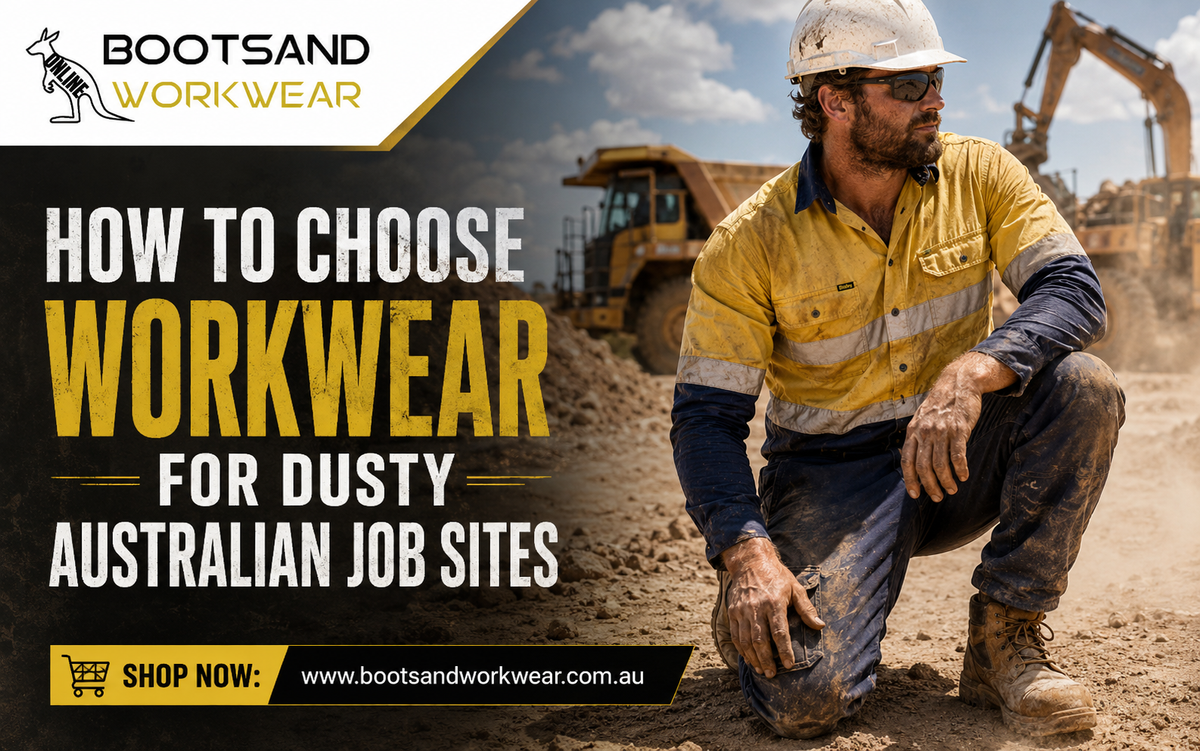
Dust is a common workplace challenge across many Australian industries. Construction sites, landscaping projects, mining operations, warehouses, workshops, demolition areas and agricultural environments can all expose workers to airborne dust, dirt and debris throughout the working day. The right clothing can help workers remain comfortable, protect their skin and keep their everyday workwear practical for demanding conditions.
When comparing clothing from different work clothes stores, it is important to look beyond appearance. Workwear for dusty job sites should suit the environment, physical workload, weather conditions and hazards associated with the job. Choosing appropriate materials, garment designs and protective features can help workers stay more comfortable while reducing unnecessary exposure to dust and workplace debris.
Understand the Dust Conditions on Your Job Site
Not every dusty workplace is the same. Fine dust generated during cutting or sanding can behave very differently from dry soil, sawdust, cement dust or general construction debris.
Before selecting workwear, consider where the dust comes from and how frequently workers are exposed to it.
Important questions include:
- Is the work performed indoors or outdoors?
- Is dust constantly present or only produced during certain tasks?
- Are workers operating machinery that creates airborne particles?
- Does the job involve kneeling, climbing or lifting?
- Will clothing be exposed to mud as well as dry dust?
- Does the workplace require hi-vis clothing?
- Are additional protective items such as masks or respirators required?
Understanding these conditions makes it easier to select garments that support both comfort and workplace safety requirements.
Choose Fabrics That Suit Dusty Environments
Fabric selection can make a noticeable difference on dusty job sites. Workers generally need clothing that is durable enough for repeated workplace use while remaining breathable enough for Australian conditions.
Look for Tightly Woven Materials
Tightly woven fabrics can help reduce the amount of dust that settles directly against the skin. Loose or highly textured materials may collect dirt more easily, particularly during construction or workshop tasks.
Workwear fabrics should ideally provide:
- Durable construction
- Good resistance to regular abrasion
- Comfortable airflow
- Easy washing and maintenance
- Enough flexibility for movement
- A suitable weight for the season
The ideal fabric depends on the job. Heavy materials may offer better durability for rough tasks, while lighter garments can be more practical for physically demanding work in warm conditions.
Prioritise Long Sleeves When Appropriate
Short sleeves may feel cooler, but long-sleeved work shirts can provide additional coverage in dusty environments.
Long sleeves can help reduce direct contact between airborne particles and the skin while also offering protection from sun exposure when working outdoors.

Look for shirts with practical features such as:
- Adjustable cuffs
- Breathable fabric
- Ventilation panels
- Relaxed movement through the shoulders
- Strong seams
- Convenient chest pockets
Workers performing active tasks should avoid overly restrictive shirts because restricted movement can become uncomfortable over a long shift.
Select Work Pants That Provide Reliable Coverage
Work pants are particularly important on dusty sites because legs frequently come into contact with dirty surfaces, tools, materials and equipment.
Good work pants should provide coverage without limiting movement. Reinforced sections may also be useful for workers who frequently kneel or work around rough surfaces.
When shopping for workwear online, consider pants with features such as durable fabric, secure pockets, reinforced stitching and a comfortable fit. Cargo-style storage can also help workers keep essential tools accessible without carrying additional bags around the site.
Think About the Fit
Work pants should not be excessively loose because wide hems can collect dust and potentially interfere with footwear. At the same time, clothing that is too tight may restrict movement during bending, climbing or crouching.
A balanced fit usually provides the best combination of comfort and practicality.
Wear Suitable Safety Footwear
Dust can also affect footwear, particularly when workers move through loose soil, sand, workshop debris or construction material.
Work boots should suit the actual hazards of the site rather than being selected based purely on comfort or appearance.
Depending on the job, appropriate footwear may include:
- Protective toe caps
- Slip-resistant soles
- Secure ankle support
- Durable uppers
- Good grip
- Comfortable cushioning
- Easy-to-clean materials
Higher-cut boots can also help reduce the amount of loose debris entering footwear compared with low-cut styles.
Workers should check workplace footwear requirements before choosing a particular pair.
Consider Hi-Vis Requirements
Dusty work is often performed around vehicles, machinery and moving equipment. Visibility can therefore remain an important consideration.
Construction, roadwork and industrial environments may require hi-vis clothing depending on the workplace and risk assessment.
Garments should remain visible even after exposure to dust. Workers should clean heavily soiled hi-vis clothing regularly because dirt can reduce the effectiveness of fluorescent fabric and reflective materials.
Always follow workplace procedures regarding visibility, PPE and garment replacement.
Layer Clothing for Changing Australian Conditions
Australian job sites can experience significant temperature changes during a single shift. Workers may begin early in cool conditions and continue working as temperatures increase later in the day.

Layering makes it easier to adjust clothing throughout the shift.
A practical layering system might include:
Base Layer
A lightweight, breathable shirt that helps manage perspiration.
Work Shirt or Polo
A durable outer shirt suitable for workplace exposure.
Mid-Layer
A jumper, fleece or lightweight jacket for cooler mornings.
Protective Outer Layer
A work jacket or weather-resistant garment when additional protection is required.
Avoid unnecessary bulky layers because they can trap heat and reduce mobility during physically demanding tasks.
Choose Clothing That Is Easy to Maintain
Dusty workwear often needs frequent washing, so easy-care fabrics can save time and help garments remain presentable.
Before buying, check the garment care instructions. Frequent exposure to dust, sweat and dirt can reduce the life of poorly suited clothing.
Useful maintenance habits include:
- Shaking loose dust from garments before washing
- Washing heavily soiled workwear separately
- Following recommended water temperatures
- Avoiding excessive detergent
- Checking pockets for screws, tools or debris
- Inspecting seams regularly
- Replacing clothing that is torn or excessively worn
Workers handling hazardous materials should follow their employer's specific contamination and laundering procedures rather than relying on normal household washing.
Do Not Forget Other Protective Equipment
Workwear forms only one part of workplace protection. Clothing should be used alongside any PPE required for the task.
Depending on the environment, this may include:
- Safety glasses or goggles
- Gloves
- Hearing protection
- Hard hats
- Respiratory protection
- Safety footwear
- High-visibility garments
Respiratory protection is particularly important where hazardous airborne dust is present. The correct equipment should be selected according to workplace safety procedures and the specific type of exposure.
Why Choose Boots & Workwear?
Boots & Workwear provides practical clothing and footwear options for Australian workers across a variety of industries and working conditions. Instead of choosing everyday clothing that may not withstand demanding job sites, customers can explore purpose-designed workwear suited to comfort, durability and everyday workplace use. The range makes it easier to compare work shirts, pants, boots and other work essentials in one place, helping tradies, construction workers and other professionals build a reliable work wardrobe suited to their jobs.
Build a Practical Dust-Site Workwear Kit
A well-planned workwear kit should include enough garments to rotate between shifts, particularly when clothing becomes dusty or heavily soiled during the day.
A useful starting wardrobe may contain:
- Several durable work shirts
- Two or more pairs of work pants
- Appropriate safety boots
- A lightweight work jacket
- Hi-vis garments where required
- Seasonal layers
- Required PPE
Buying several compatible garments can also make it easier to maintain a consistent workplace appearance without relying on the same clothing every day.
For workers who prefer to compare different garments before placing an order, shopping through workwear online Australia can make it easier to explore workwear options for different job roles, weather conditions and workplace requirements while building a practical kit for regular use.
Final Thoughts
Choosing workwear for dusty Australian job sites requires a balance between durability, coverage, comfort and workplace requirements. Focus on suitable fabrics, practical fits, reliable work pants, appropriate footwear and clothing that is easy to maintain. Most importantly, select workwear according to the actual tasks and hazards of the job rather than simply choosing the heaviest or most rugged-looking garments. A carefully selected workwear kit can help workers remain more comfortable, organised and prepared throughout demanding shifts.